
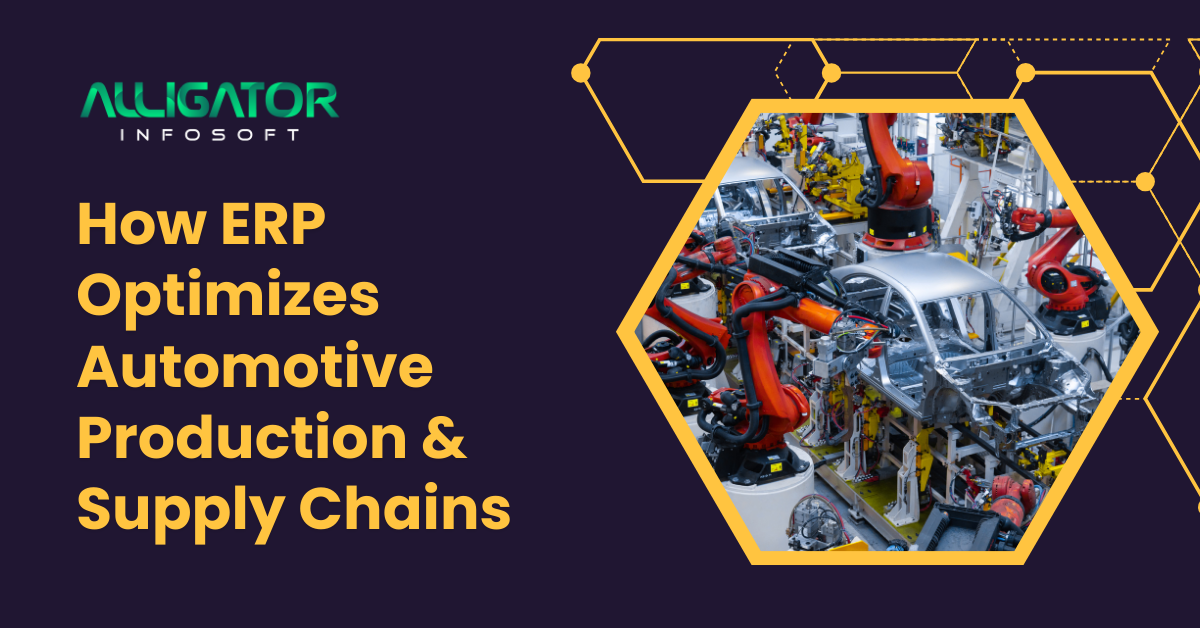
ERP Solutions for Automotive Manufacturers: Streamlining Production and Supply Chain
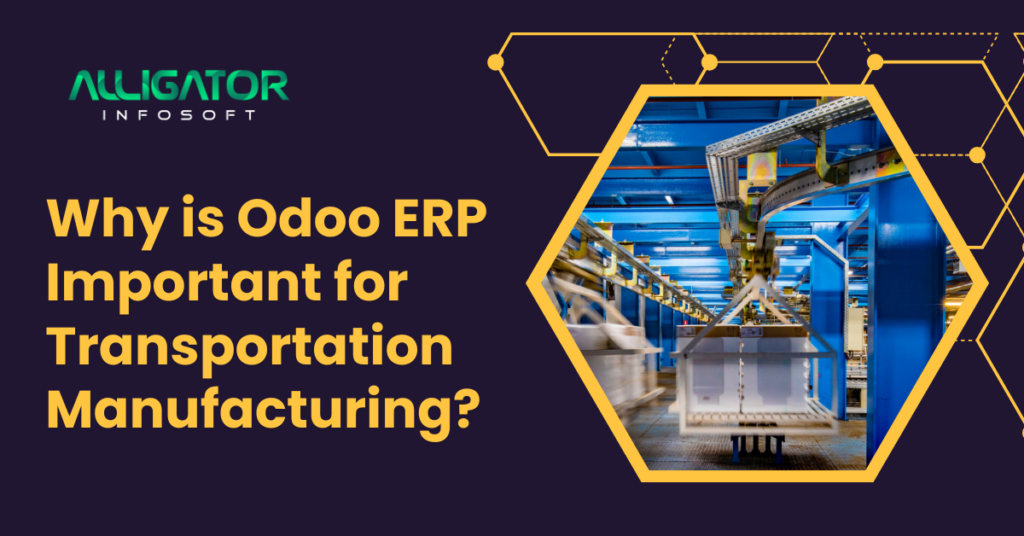
Managing an automotive manufacturing business is no easy task. With so many moving parts — from production lines to managing suppliers and ensuring everything runs on time — it can get overwhelming. This is where ERP systems come in. They help streamline all these processes, making it easier to track everything in one place. In this post, we’ll explain how ERP systems can simplify the complexities of manufacturing and supply chain management for automotive businesses. We’ll also show you why Odoo ERP is a better choice than older systems, offering flexibility, ease of use, and cost-efficiency to keep your operations running smoothly. What is an ERP System for Automotive Manufacturers? At its core, an ERP system is a type of software that helps companies manage all their core business processes in one place. For automotive manufacturers, an ERP system does more than just keep track of orders. It helps with production planning, managing inventory, tracking suppliers, ensuring quality control, and making sure everything runs smoothly across departments. In simple terms, ERP connects the dots between all the different parts of your business. So instead of having different systems for production, sales, inventory, and suppliers — all working in isolation — an ERP brings them together, giving you a complete view of your operations. For automotive manufacturers, this means: Centralized management of your entire production process. Real-time updates to help you make decisions faster. Tools that can be tailored to your specific needs, whether you’re producing car parts or assembling finished vehicles. When implemented well, an ERP system can make a huge difference in improving efficiency, reducing errors, and even boosting customer satisfaction. Key Challenges in Automotive Manufacturing and Supply Chain Automotive manufacturing is complex. There are a lot of moving pieces to keep track of — literally. That’s why ERP systems are so important. Here are some of the challenges manufacturers face that can be made easier with the right ERP solution: Complicated Production Schedules: With many models, parts, and variations, managing production schedules can be a nightmare. If one part is delayed, it can throw off the entire production line. Managing Suppliers: Automotive manufacturers often work with hundreds of suppliers around the world. Keeping track of each one, making sure they deliver on time, and ensuring the parts meet quality standards can be overwhelming. Real-Time Data: Without real-time insights, it’s hard to know what’s going on at any given moment. Are you running low on parts? Is your production line on schedule? Without visibility, it’s easy to make costly mistakes. Compliance and Quality Control: The automotive industry has strict regulations and quality standards. Ensuring that every part and product meets these requirements is important, but managing this manually can lead to errors. An ERP system helps solve these problems by automating processes, providing real-time data, and offering tools to track every aspect of production and supply chain management. Benefits of Implementing ERP Systems in Automotive Manufacturing Implementing the right ERP system brings several advantages to automotive manufacturers. Here’s how an ERP can help: Streamlining Production: ERP helps schedule production tasks more efficiently, making sure that everything is happening at the right time. This helps reduce downtime, keeps the production line running smoothly, and improves overall productivity. Optimizing Inventory: With real-time updates, you’ll always know what parts you have in stock, where they’re located, and when they’re expected to arrive. This means no more overstocking or running out of important parts. Better Supplier Management: An ERP system lets you keep tabs on your suppliers, track their performance, and build better relationships. You’ll have more visibility into deliveries, lead times, and supplier performance, which helps you avoid delays. Improved Customer Satisfaction: By keeping track of orders, deliveries, and customer feedback in one system, you can fulfill orders more accurately and quickly. This leads to happier customers and fewer complaints. Better Decision Making with Analytics: ERP systems generate real-time reports, making it easy to analyze your performance across various areas — from production to sales to supplier management. This helps you make informed decisions that improve your bottom line. Overall, implementing an ERP system helps automotive manufacturers operate more efficiently, reduce costs, and improve the overall customer experience. Which ERP is Best for Automotive Manufacturers? The automotive manufacturing industry demands an ERP system that can manage complex production processes, supply chain logistics, and stringent regulatory requirements. Not all ERP solutions are built to handle the specific needs of this sector. When choosing the right ERP for your automotive business, it’s essential to find a system that is flexible, scalable, and equipped with the necessary features to streamline operations and support growth. Top ERP Features Every Automotive Manufacturer Needs in 2025 Odoo SAP ERP Oracle NetSuite Microsoft Dynamics 365 Infor CloudSuite Sage Intacct Acumatica Cloud ERP Epicor ERP IFS Applications Workday ERP Essential ERP Features for Automotive Manufacturers To stay competitive in the fast-paced automotive industry, manufacturers need an ERP system that supports key features such as inventory management, production scheduling, quality control, and supply chain optimization. The right ERP can help improve efficiency, reduce costs, and maintain compliance with industry regulations. This is where Alligator Infosoft comes in. With years of experience, we offer ERP solutions tailored specifically for the needs of automotive manufacturers. From development and consulting to customization, integration, migration, support, and implementation, we provide all the tools you need to ensure a seamless and effective ERP experience. Let Alligator Infosoft support your business with: Tailored ERP solutions that meet your unique production and compliance needs. Smooth integration with your existing systems for streamlined operations. Ongoing support and consulting to help you optimize your ERP system. Contact us today to discover how our ERP services can improve your operations, boost efficiency, and drive growth in the automotive manufacturing industry.